Learning and Transforming: International Practices and Perspectives on Prison Education This special issue of Apprendre+Agir of the Cooperation Institute for Adult Education

Learning and Transforming: International Practices and Perspectives on Prison Education This special issue of Apprendre+Agir of the Cooperation Institute for Adult Education
Feeling truly proud of this project. We explored how gamification can transform adult learning, and Avanzo developed a dedicated module for use

Co-funded by the Erasmus+ Programme, Agenzia Italiana per la Gioventù – AIG – 2022-1-IT03-KA220-YOU-000089929 by Gert Hurkmans, Belgium The Project Motivation: Why

Ireland has formally committed to protecting and promoting the rights of people with disabilities, but is failing, especially for those who are
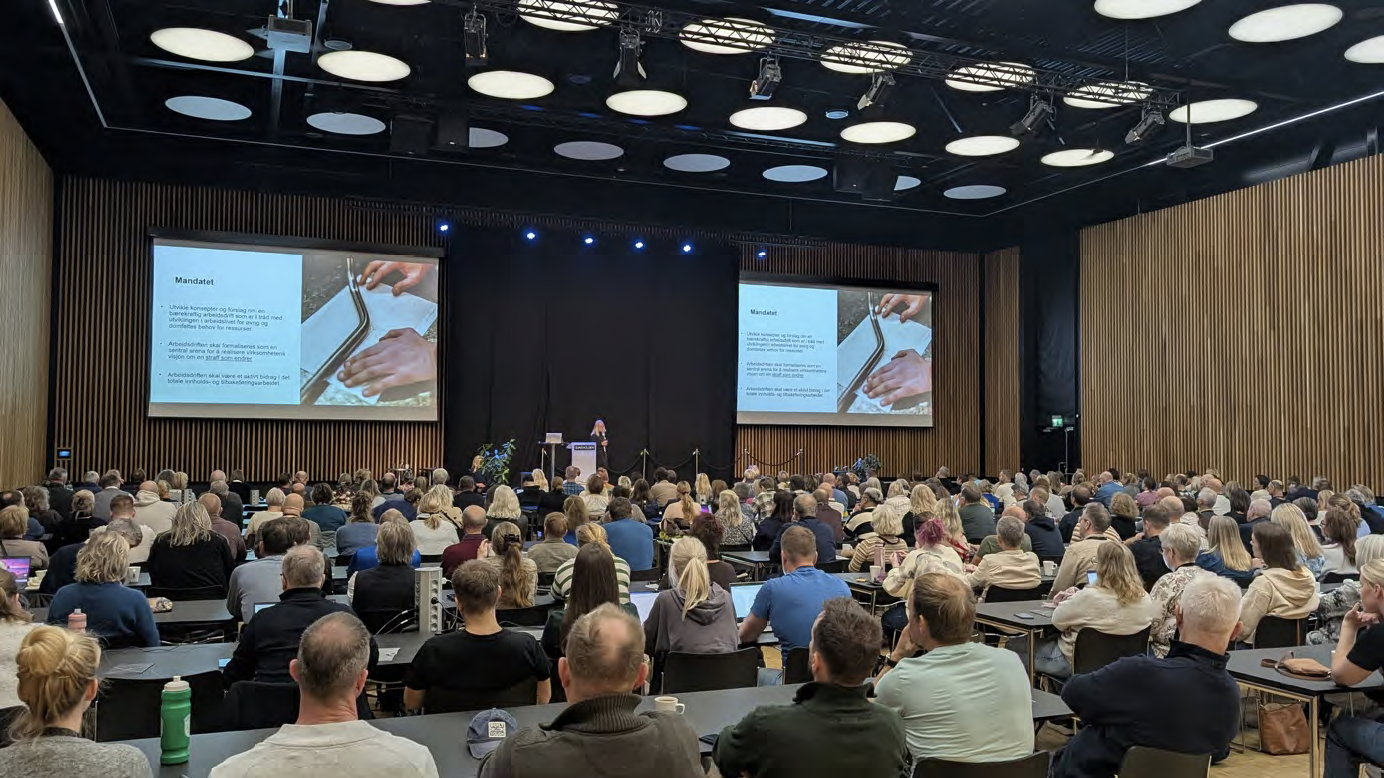
Norway’s Association for Prison Education and Training, FOKO (Norwegian branch of EPEA) gathered practitioners, researchers, and policymakers at Sundvolden Hotel from 29–31
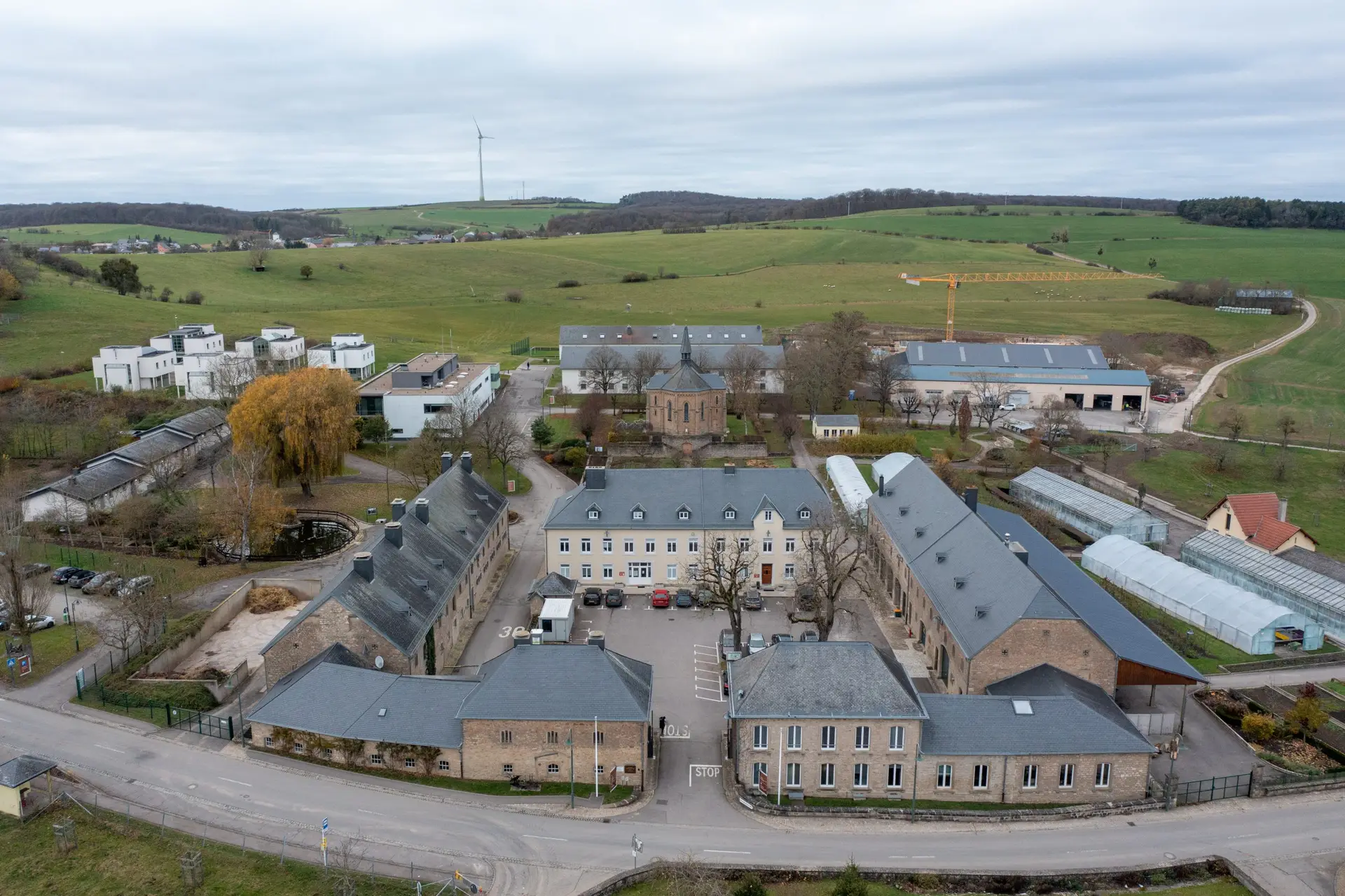
The EPEA chair had the opportunity and great pleasure to visit the open regime prison in Givenich, Luxemburg. Carlo Feipel, head of
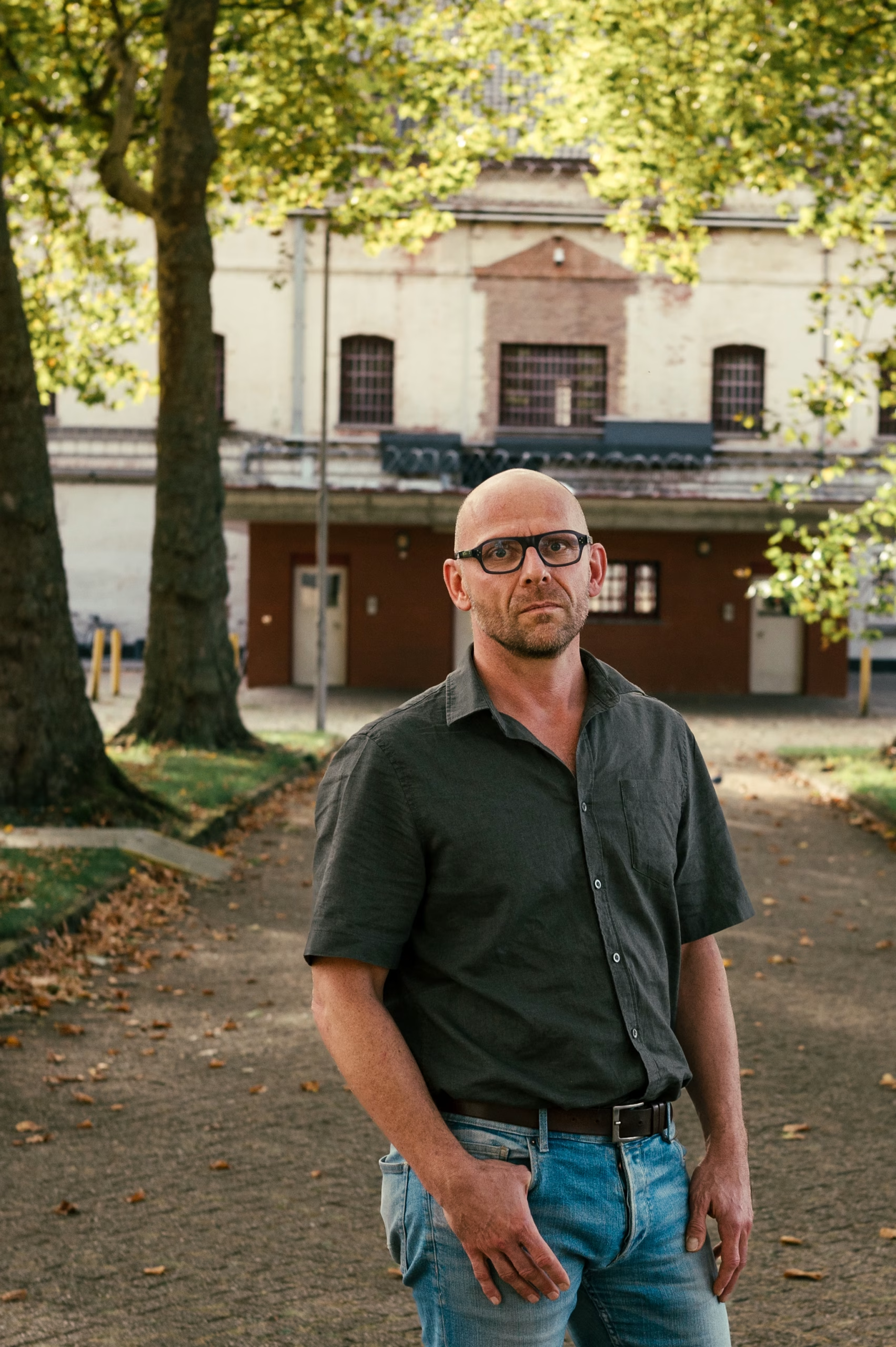
Advocating a free educational offer for the inmates – prison director Serge Rooman (Article from June 2025) (English text below) “Onderwijs in
The art festival will feature over 130 artists and run across Malta and Gozo from March until May Times of Malta, February
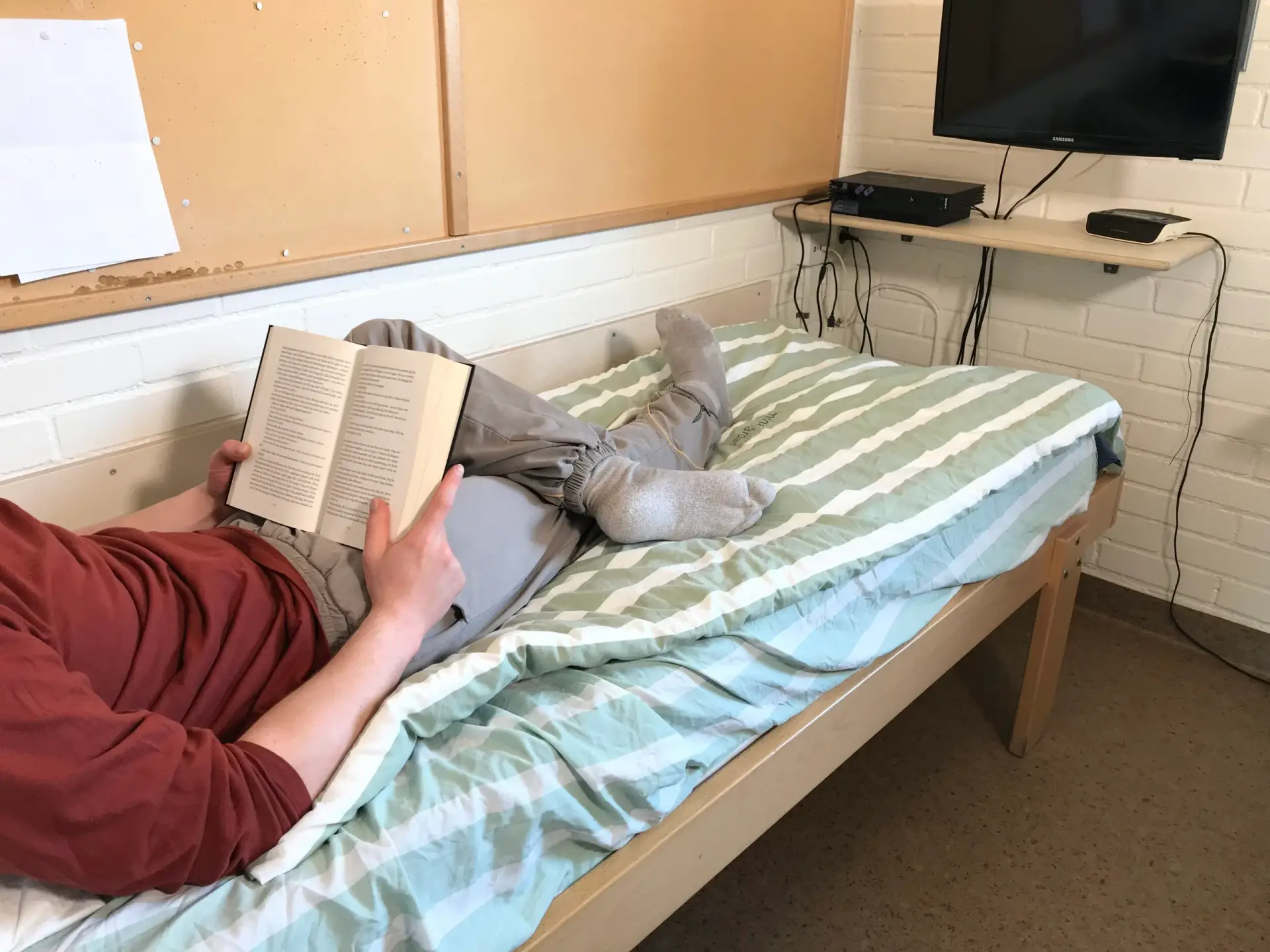
How the prison system builds pathways to work through formal vocational training By Cecilia Nilsson, Principal and Vocational Education Specialist at Adult
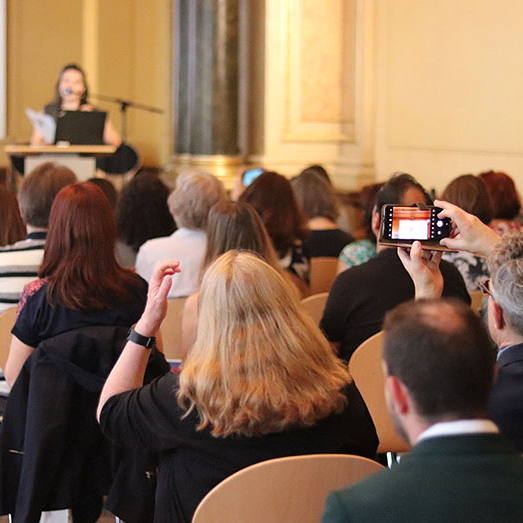
Adult education in general is not only under pressure in prisons, but generally all over Europe. As we are living in strange,

Prison library services in Ireland are inconsistent nationally and provision varies across sites, with a limited number of professional library staff working

There are 164 students serving criminal sentences enrolled at the University of Milan, confirming the Milanese university’s position at the top of
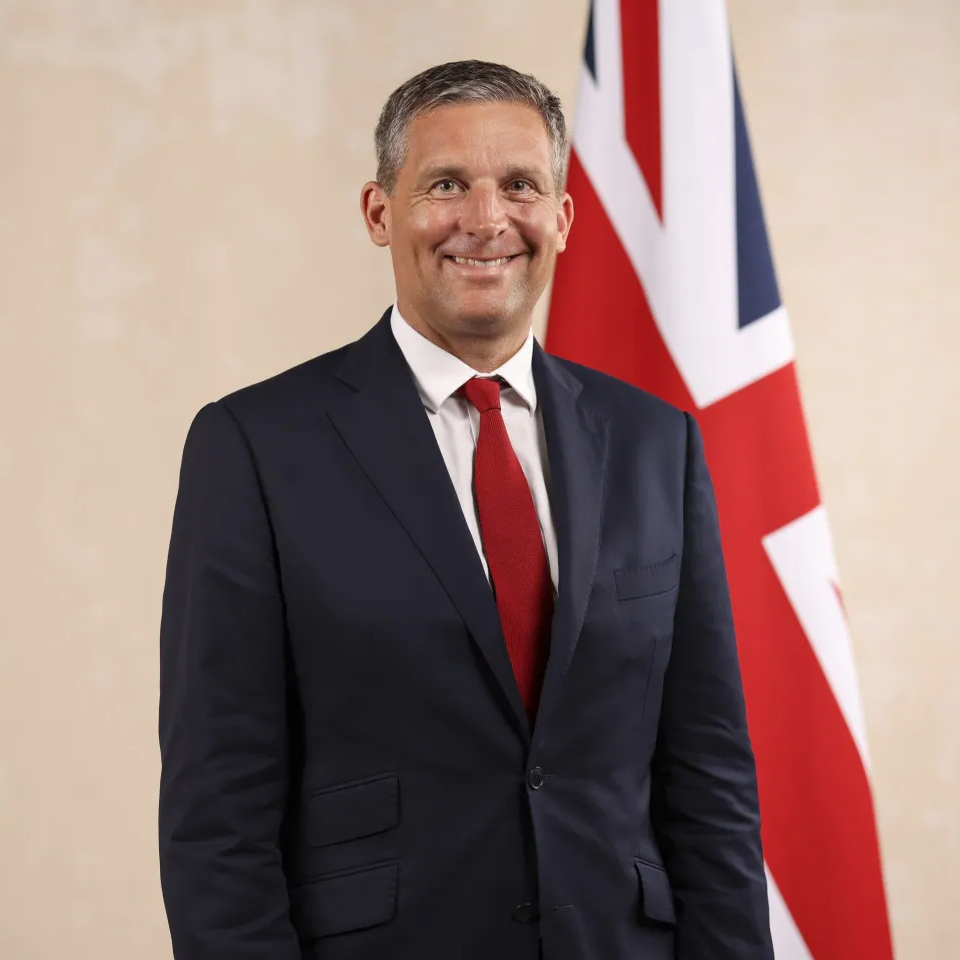
The management summary of the plan says as follows: “Artificial Intelligence (AI) has the potential to transform our justice system in England
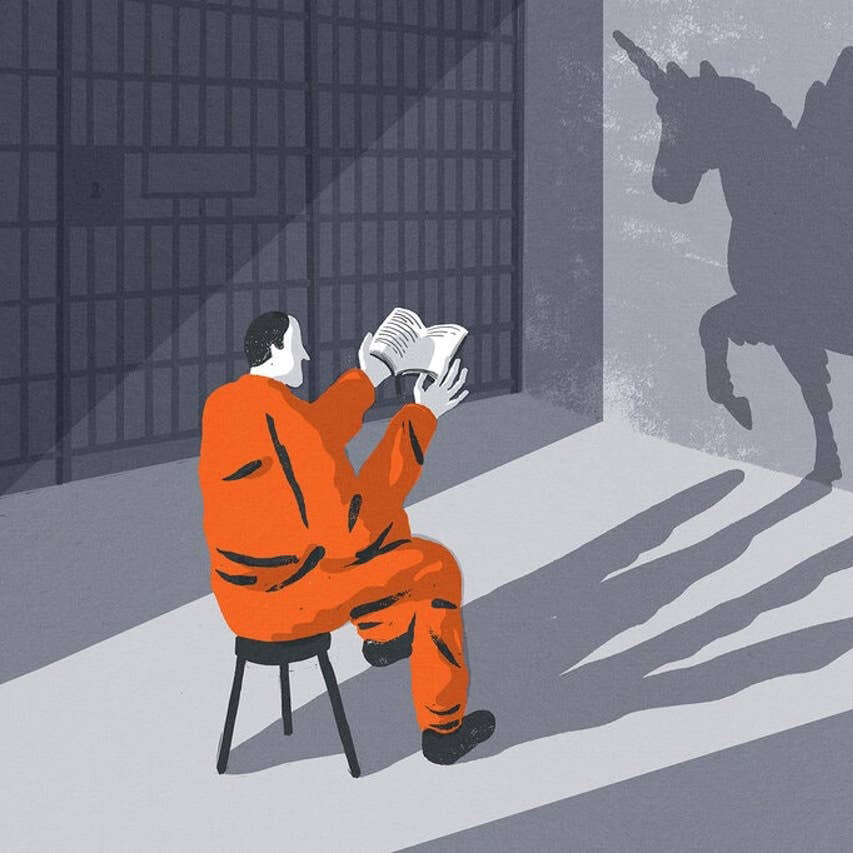
On October 15, 2025, Klasbak, the Flemish EPEA Branch, will host a study day on storytelling in education and detention at the
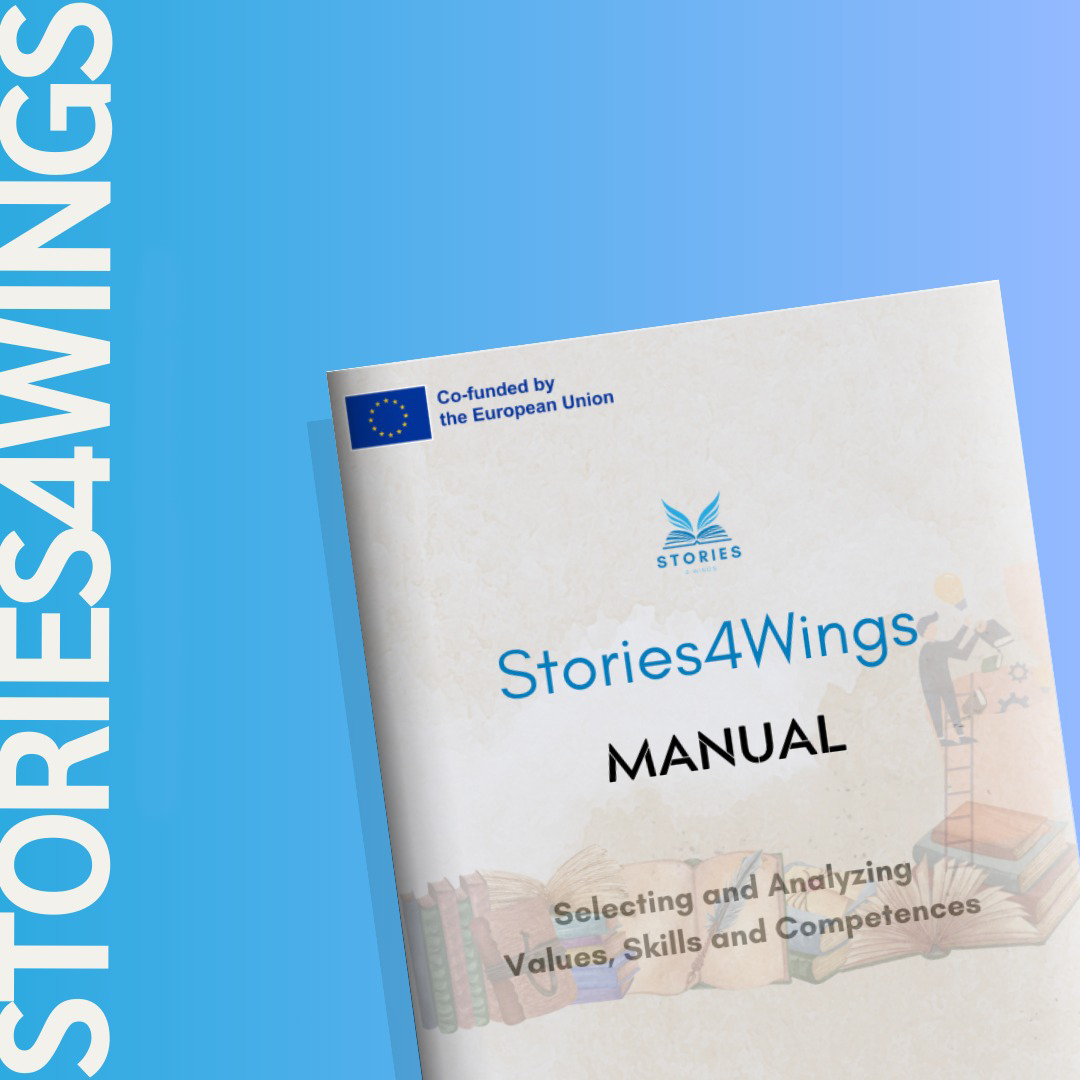
Storytelling is much more than just telling a tale. It’s a form of expression that allows people to share experiences, name emotions,

In July, EPEA was informed that ACEA President Helen Farley had passed away unexpectedly. The Steering Committee was deeply saddened by this
How can games transform adult learning — especially in environments where motivation, trust, and access are limited? An interesting insight for prison
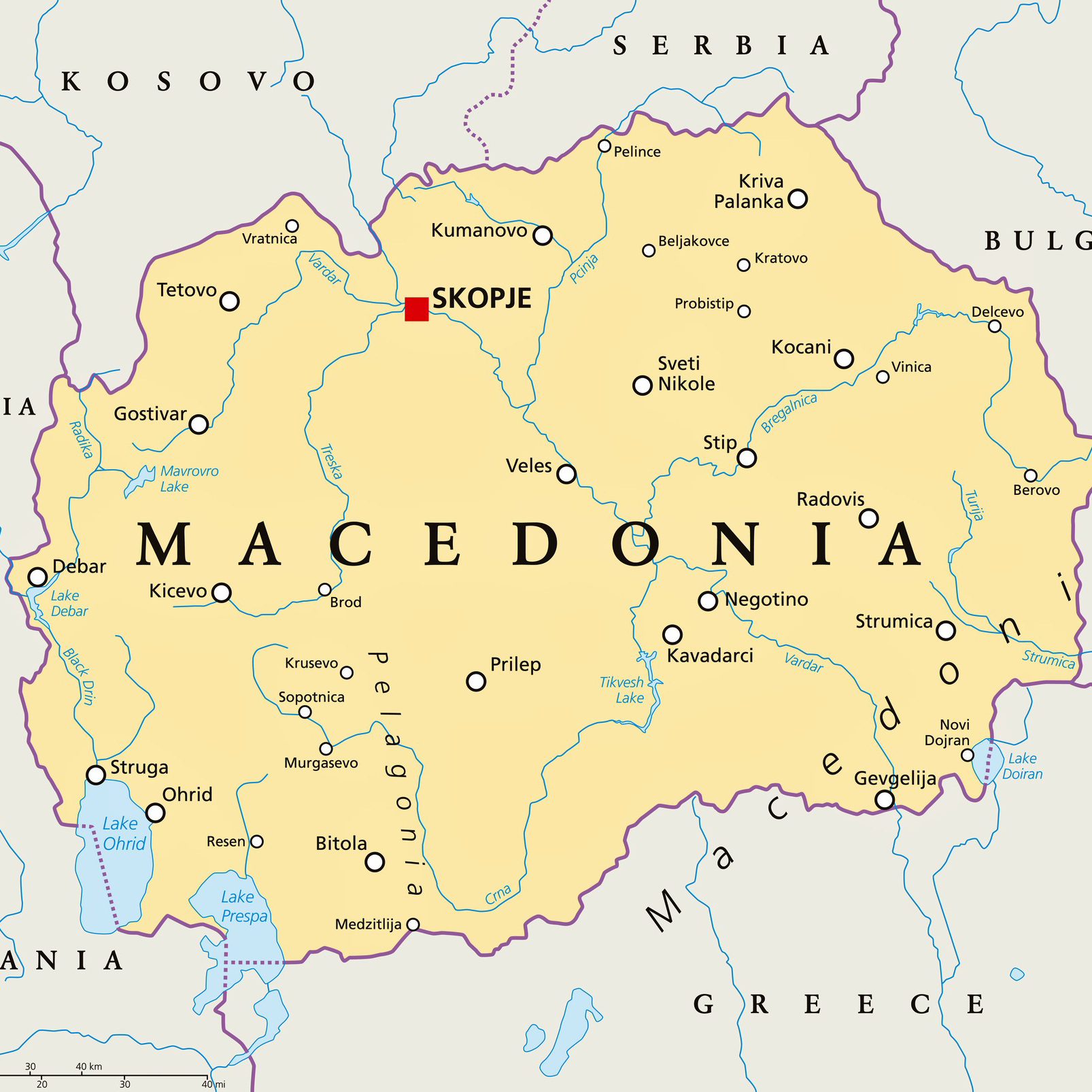
Register at www.epeaconference2025.org NOW! More than 30 contributors from 14 countries will participate in the conference. Join it! On the website you

We are pleased to announce that registration for the EPEA 2025 Conference is now open. Secure your spot today! EPEA Training Conference
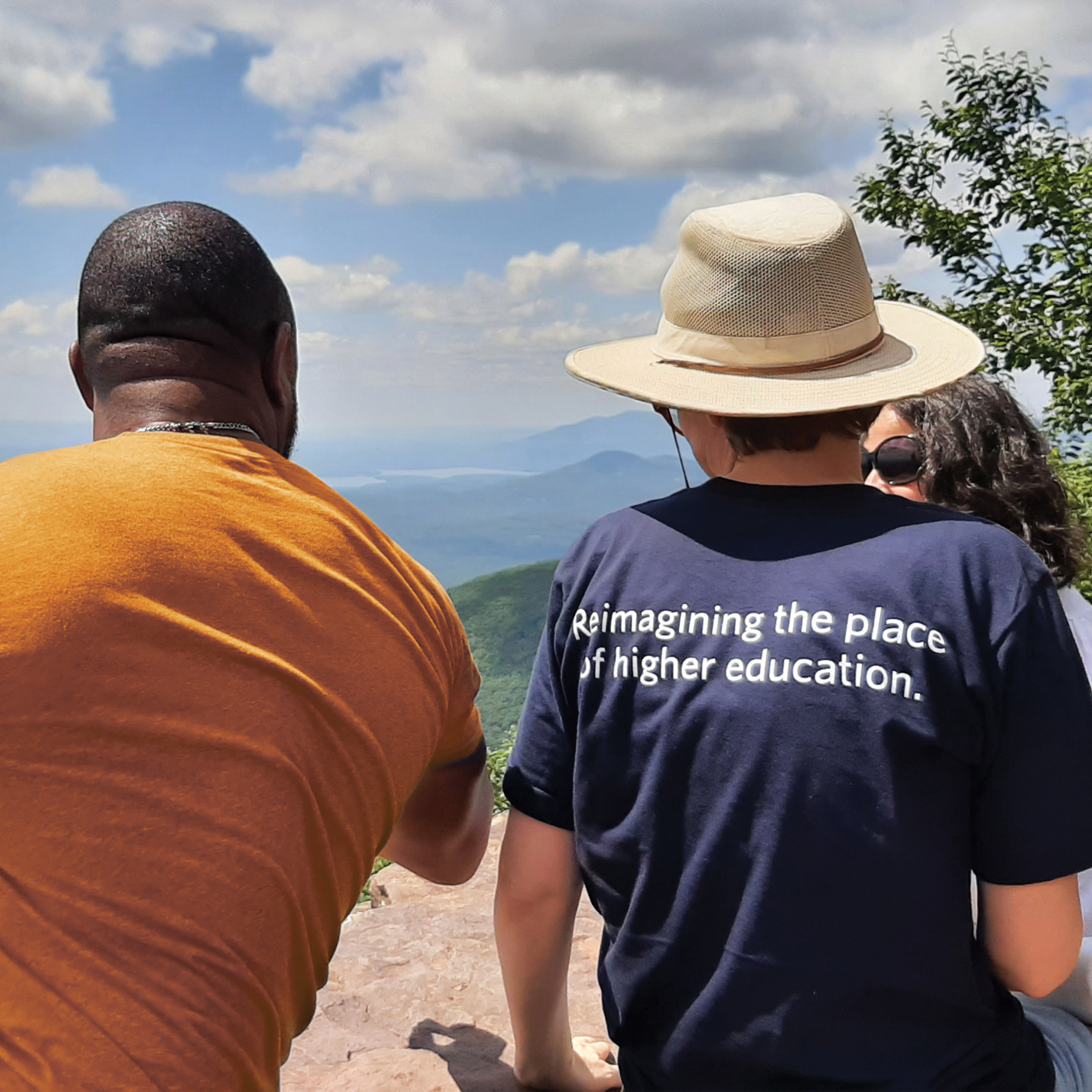
Empowering people through Education, Employability and Engagement to create Cultures of Acceptance In this bold and unflinching closing keynote, Dan Whyte —

How can entrepreneurship and psychology be integrated into modern prison education? Work is one of the key factors for successful reintegration after
How can games transform adult learning — especially in environments where motivation, trust, and access are limited? An interesting insight for prison